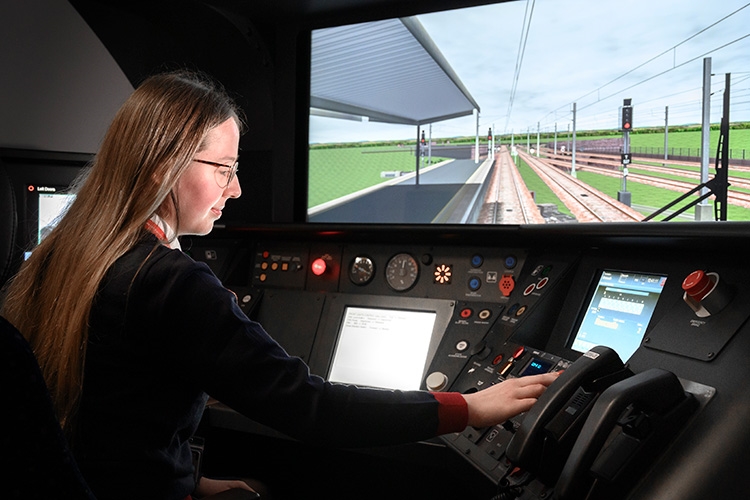

Take a look at our wide range of current vacancies. If you can't find what you're looking for, please register an account to sign up for job alerts, ensuring you're one of the first to hear about new opportunities in your preferred area.
In total, our route covers 936 miles from London to Peterborough, Leeds and York, all the way to Newcastle, Edinburgh and beyond up to Aberdeen. We then go to Glasgow and Inverness. Our longest journey is from Inverness to London, a total of 580 miles. In a year our trains travel more than 13.5 million miles.

As well as running the trains, we also manage eleven stations across our route of over 50. Additionally, we have staff based at four key locations up and down the route. From north to south they are...
Aberdeen Station (ScotRail)
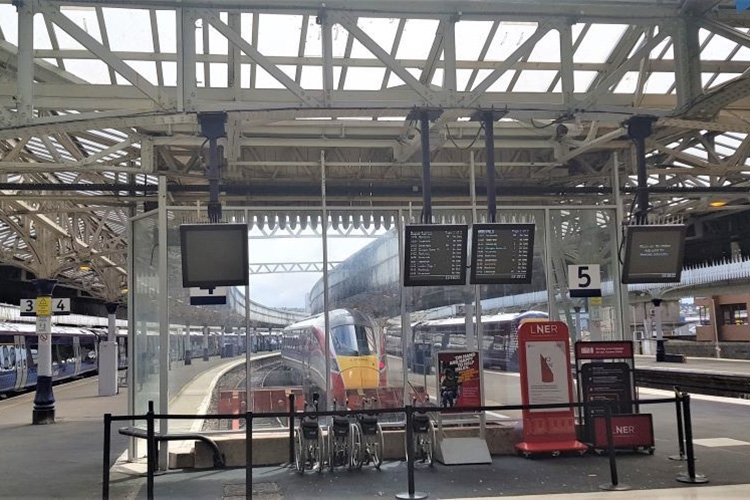
The station was built and opened in 1867, although the station today has been significantly redeveloped from the original. It's the busiest railway station in Scotland north of the major cities of Edinburgh and Glasgow. The station is managed by ScotRail.
Edinburgh Waverley Station (Network Rail)
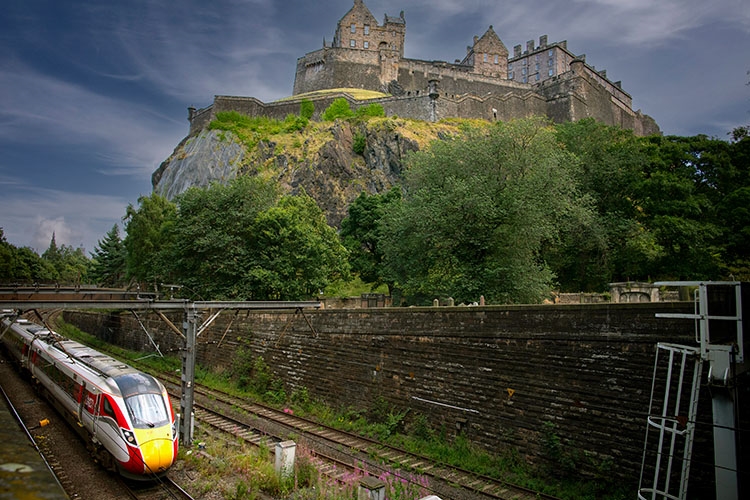
Waverley station opened in 1846 and was rebuilt between 1892 and 1902. It lies between the old town and modern Edinburgh, adjacent to Princes Street, Edinburgh Castle and the Princes Street Gardens. In a £130m investment programme, Edinburgh Waverley station has been transformed to create an environment that meets passengers’ 21st century needs while preserving Waverley’s rich heritage. The station is managed by Network Rail.
Berwick-upon-Tweed Station
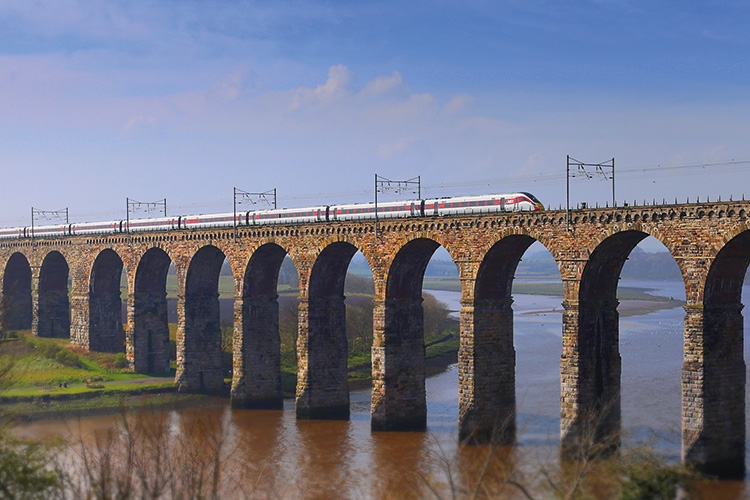
This is the most northerly railway station in England, being less than 3 miles from the border with Scotland. The station, with its long single island platform, lies immediately to the north of the Royal Border Bridge, a Grade 1 listed railway viaduct built between 1847 and 1850 which is still in regular use today.
Newcastle Station
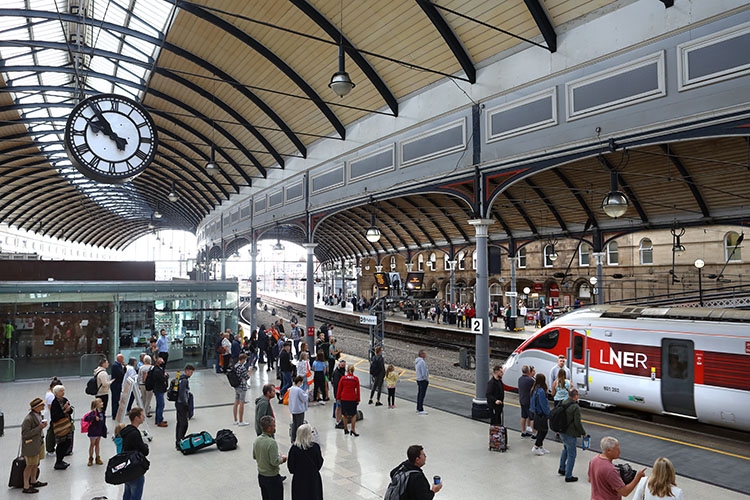
When the station opened in 1850, it was the first covered train station in the world and the Grade 1 listed building is often considered to be one of the best railway stations in Britain. It is the busiest station in North East England and is an interchange for local services provided by the Tyne and Wear Metro, whose Central Station is situated underneath the national rail station. Newcastle is also the base for our Customer Solutions Centre.
Durham Station
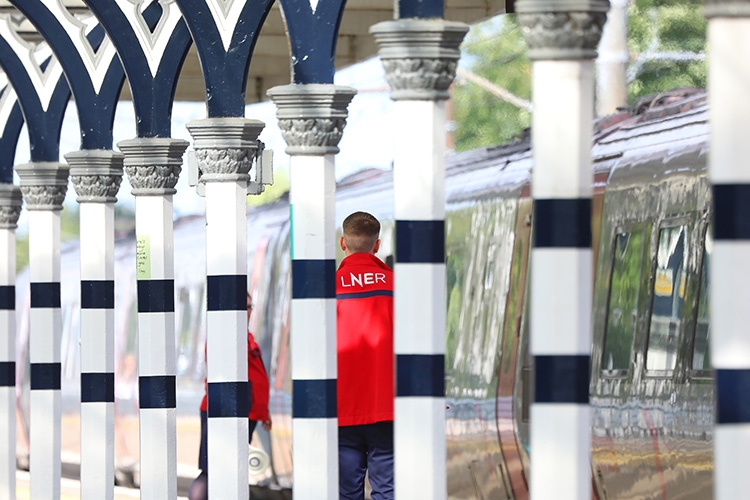
Durham is a through station with two platforms, located north of the city centre, on a hill. South of the station, the railway line approaches the station via the eleven arched Durham Viaduct; a major local landmark. After a renovation between 2006 and 2008, the original stone station building is now the ticket hall and main concourse.
Darlington Station
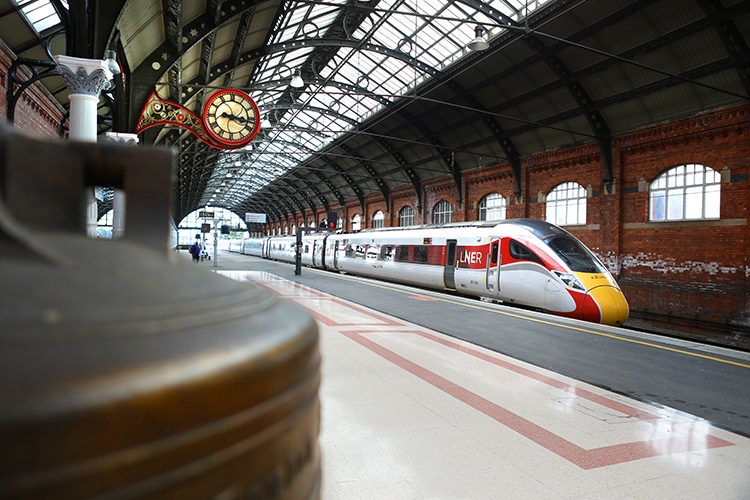
This station has played an important role in the development of the UK’s railway network and continues to serve as a key transportation hub. Its history is intertwined with the early days of railway travel in Britain. The station is located near the site of the Stockton and Darlington Railway, which opened in 1825. This was the world’s first public railway to use steam locomotives and holds the unique distinction of being the birthplace of modern rail travel.
York
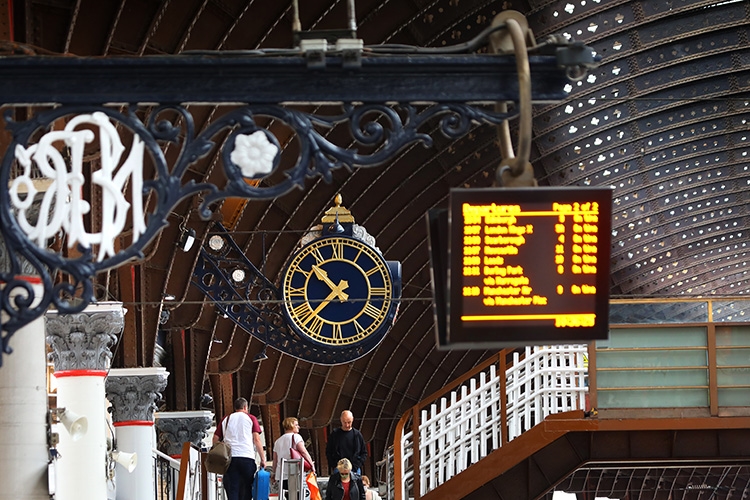
The present York station was built during the 1870’s, after it become clear that the old station couldn't accommodate through traffic thanks to being located inside the Roman city walls. Once finished, it was the world’s largest railway station, with 13 platforms and various amenities, including a dedicated hotel. The old station, after extensive renovation, is now the home of our headquarters at LNER and just the other side of the main station is our Rail Operating Centre (ROC).
Leeds Station (Network Rail)
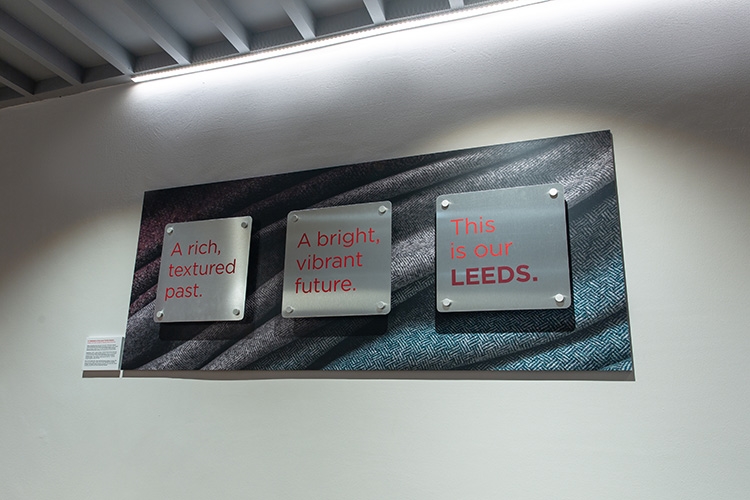
Today’s Leeds station is a historical combination of the former Wellington and Leeds New stations. Completely rebuilt in 1967, it's undergone significant rebuilding and refurbishment ever since. Leeds’ railway history began in 1758 when permission was granted to build a wooden wagon-way to haul coal from Middleton to Leeds. The station is managed by Network Rail.
Wakefield Westgate Station
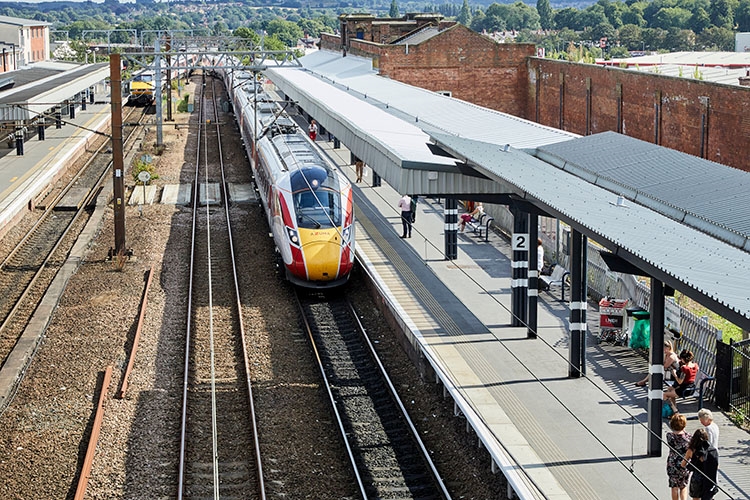
The station was first opened in 1856 but was relocated to the opposite side of Westgate in 1867, positioned on the main line between Leeds and Doncaster. British Rail undertook significant modernization in 1967, replacing much of the original 19th-century structure with more utilitarian facilities. Responding to broader regeneration initiatives, it underwent a major redevelopment between 2009 and 2013. The newly rebuilt station was officially opened in 2014.
Doncaster Station
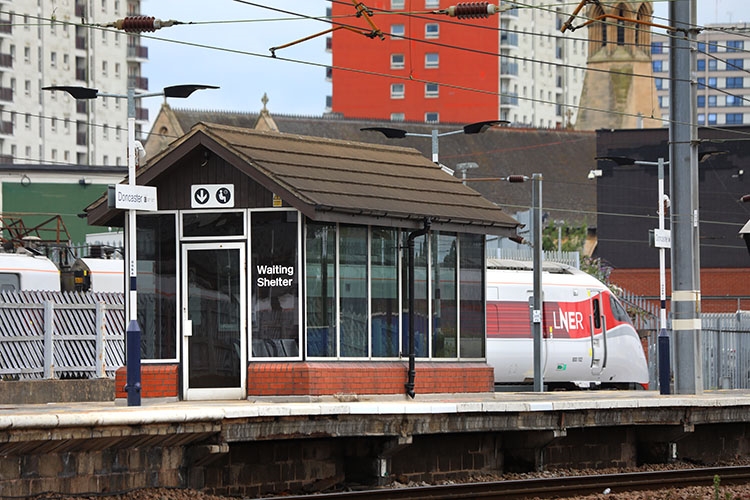
Built in 1850, replacing a temporary structure constructed two years earlier, the station had two main platforms, with loops to each platform diverting off the main running lines. It was rebuilt in its present form in 1938, where the platform on the townside of the station (the eastern side) was converted into an island platform thereby creating a fourth through running line. The station has had several modifications since that date including the new interchange and connection to the Frenchgate Centre.
Retford Station
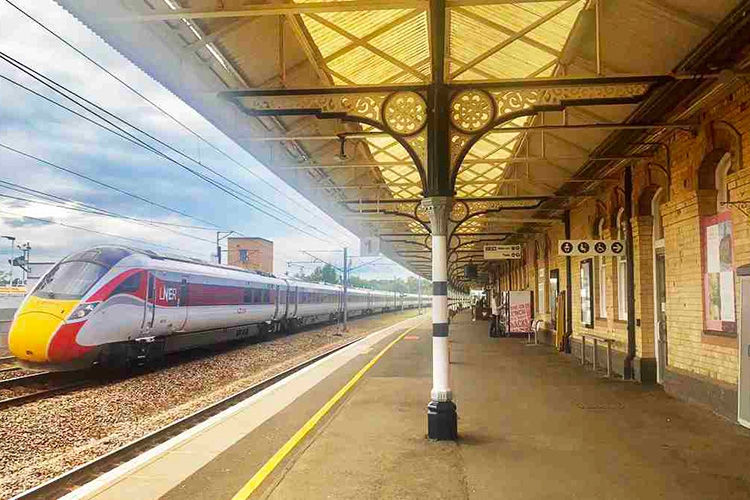
Retford railway station has four platforms, two of which serve the East Coast main line and the other two, located at a lower level and at right angles to the first pair, serve the Sheffield to Lincoln Line. The station was Grade II listed in 2020. The current buildings date from 1891-1892 and the station is one of the most intact medium-sized GNR stations in the country.
Newark Northgate Station
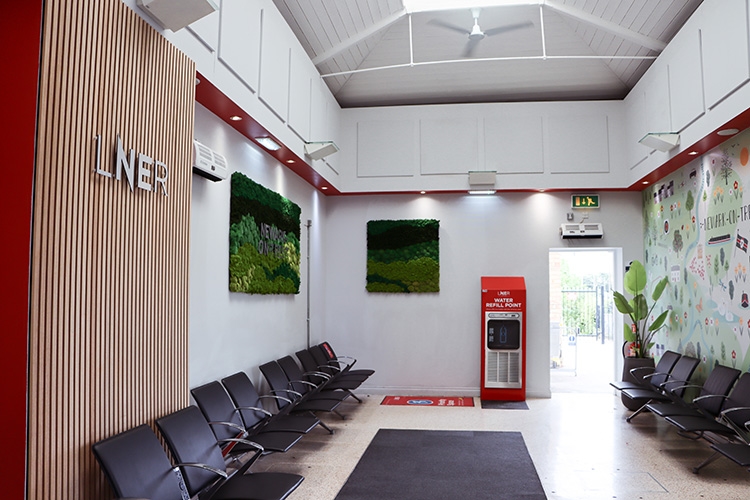
Newark has two stations, this one serving the East Coast main line and the other, Newark Castle operated by EMR. The Grade II listed station opened in 1852. Just to the south of the station is Newark Flat Crossing, which is one of the few remaining flat railway crossings in the UK.
Grantham Station
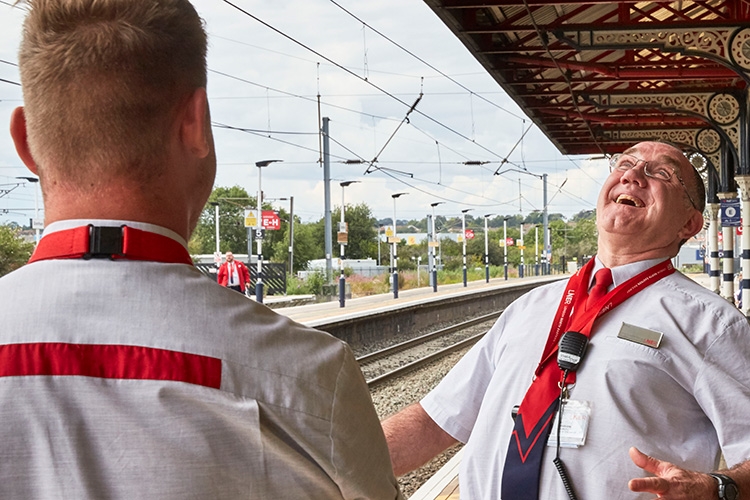
The original station at Grantham (Old Wharf) was shut down after just two years before a new and present station was built on GNR's direct line between Peterborough and Retford (the Towns Line) in 1852. Two secondary lines diverge from the main line north of Grantham, the 'Poacher Line' to Skegness and a branch line to Nottingham.
Peterborough Station
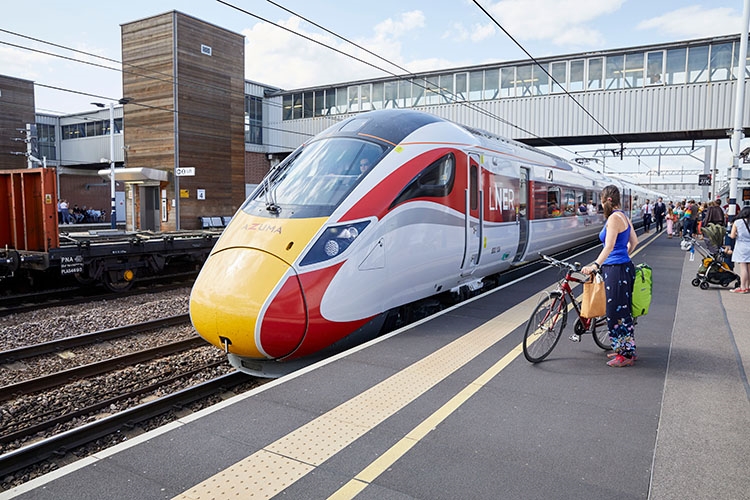
There have been a few railway stations in Peterborough. Peterborough East from 1845–1966, the current station, which opened in 1850, previously known by various names including Peterborough North, and briefly Peterborough Crescent from 1858–1866. Peterborough was the site of the first mast to be installed as part of the ECML electrification project, which is located behind platform 1.
London King’s Cross Station (Network Rail)
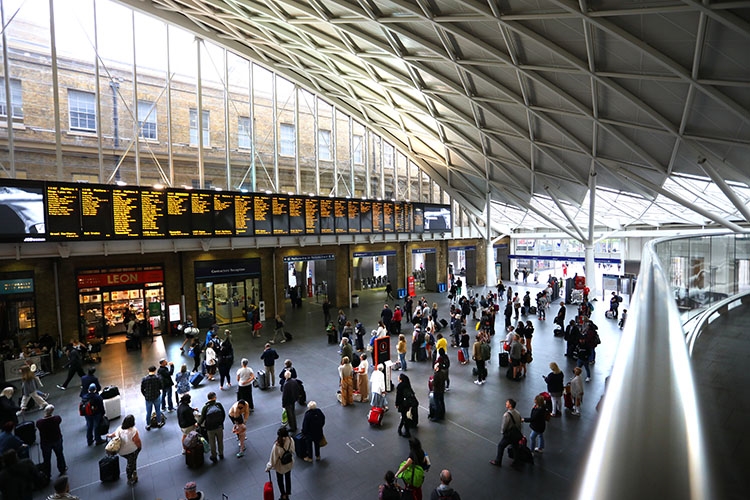
King’s Cross Station was opened to passengers in 1852 and, at the time, it was the largest railway station in Britain, despite only having two passenger platforms – one for arrivals and the other for departures. Today, following a massive £2.5 billion investment this century in the transport infrastructure in and around King’s Cross, the station has been transformed, including restoration of the original roof and exposure of the original Grade 1 listed façade.
Interested?